
New book: The Castle on the Edge; The History of Silkeborg Castle
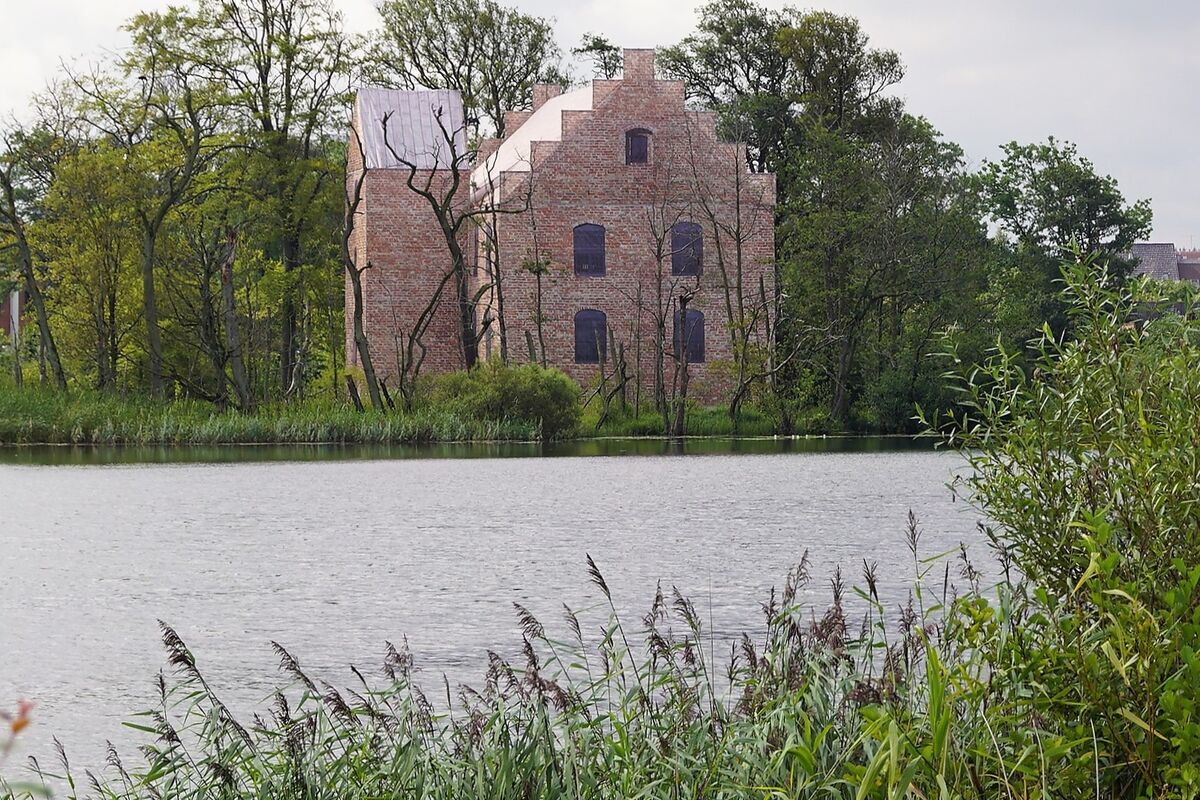
Visualization of Silkeborg castle, Nils Jepsen (Creative Commons).
On the edge of a small islet in Silkeborg Langesø (long lake) lie the remains of the first known Silkeborg. Initially a private manor house, later a royal administrative castle managed by a bailiff Silkeborg was from the 14th century onwards home to knights, bishops, noble families, and even a wine merchant. Following the Reformation in 1536, the castle came into the possession of the Danish Crown and became the administrative and economic centre of the large Silkeborg fief, in the heart of Jutland. The royal bailiff collected taxes and duties, while keeping a watchful eye on law and order and Christian morality among the peasants.
Silkeborg fief supplied timber for the navy and firewood for the royal fireplaces, while the king and his courtiers hunted red deer and wild boar in the deep forests. In 1664, the king however surrendered the castle as repayment for debts incurred during the costly wars with Sweden. Over the following 60 years, the castle fell into disrepair until it was eventually demolished, with its materials reused in the construction of, among other things, the new Silkeborg Hovedgård (manor) .
Although the castle’s proud buildings are no longer visible, its inhabitants has fortunately left behind letters and documents which, together with archaeological findings, make it possible to get remarkably close to the everyday life and, at times, extraordinary events that unfolded in and around the castle.
In this book about the castle on the edge, the personal stories of kings, bailiffs, peasants - and even witches - are woven together into a fascinating history of Silkeborg, the Lake Highlands, and Denmark over the course of 350 years.
Order the book here: Slottet på kanten