
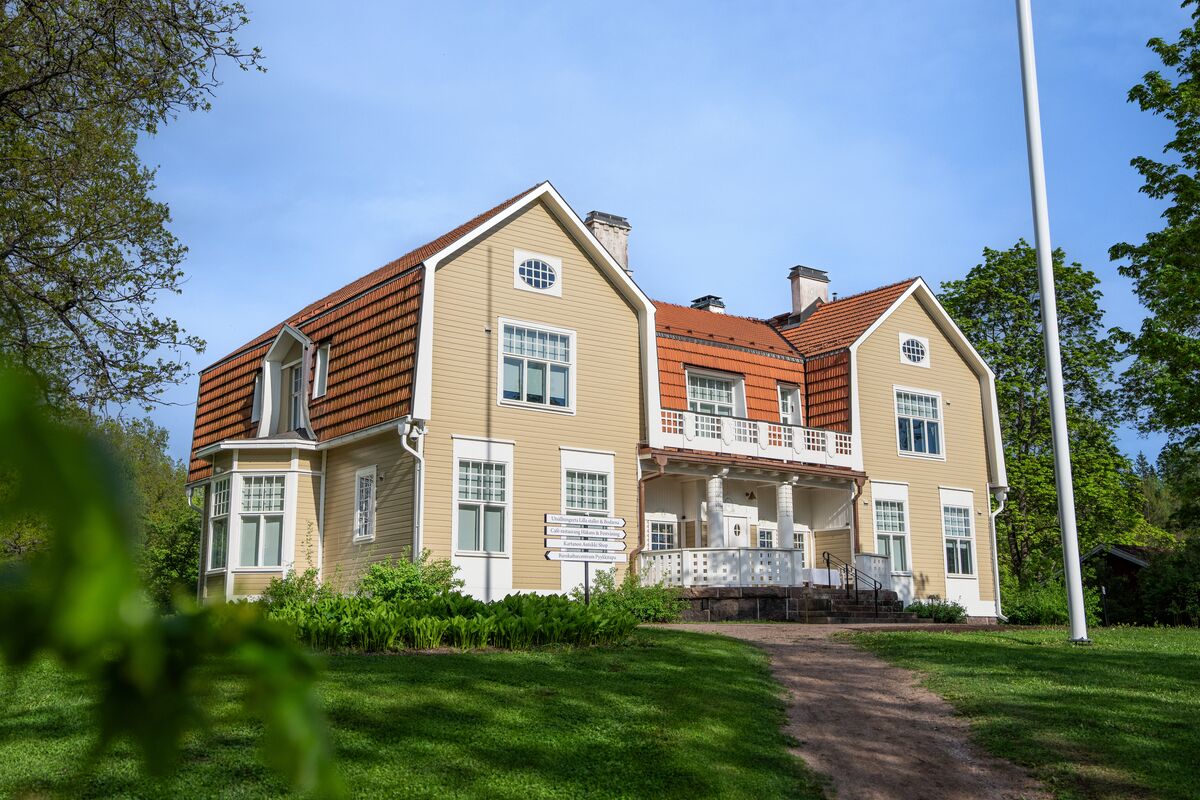
On 10 June 2026, Håkansböle Manor Museum opened its doors in Vantaa, Finland, marking the culmination of more than twenty years of planning, restoration and research. Most importantly, the manor has become a public museum rather than simply a representative venue—a place where everyone is welcome to experience manor history.
Designed by architect Armas Lindgren and completed in 1908, Håkansböle is one of Finland's best-preserved early twentieth-century manor houses. Since 2005, the City of Vantaa has gradually restored the estate, with the main building conserved in 2024–2025. The museum was established together with the manor's original collection: around 15,000 objects were acquired with the estate, allowing visitors to experience the house as a genuine home.
The museum tells the story of the Sanmark family. Although they belonged to the landed elite, they were not nationally prominent historical figures. After Arvid Sanmark died before the manor was completed, his widow Lilli managed the estate alone for a decade before their youngest son inherited it. Their story offers an accessible perspective on family life, social change and the history of the Finnish manor.
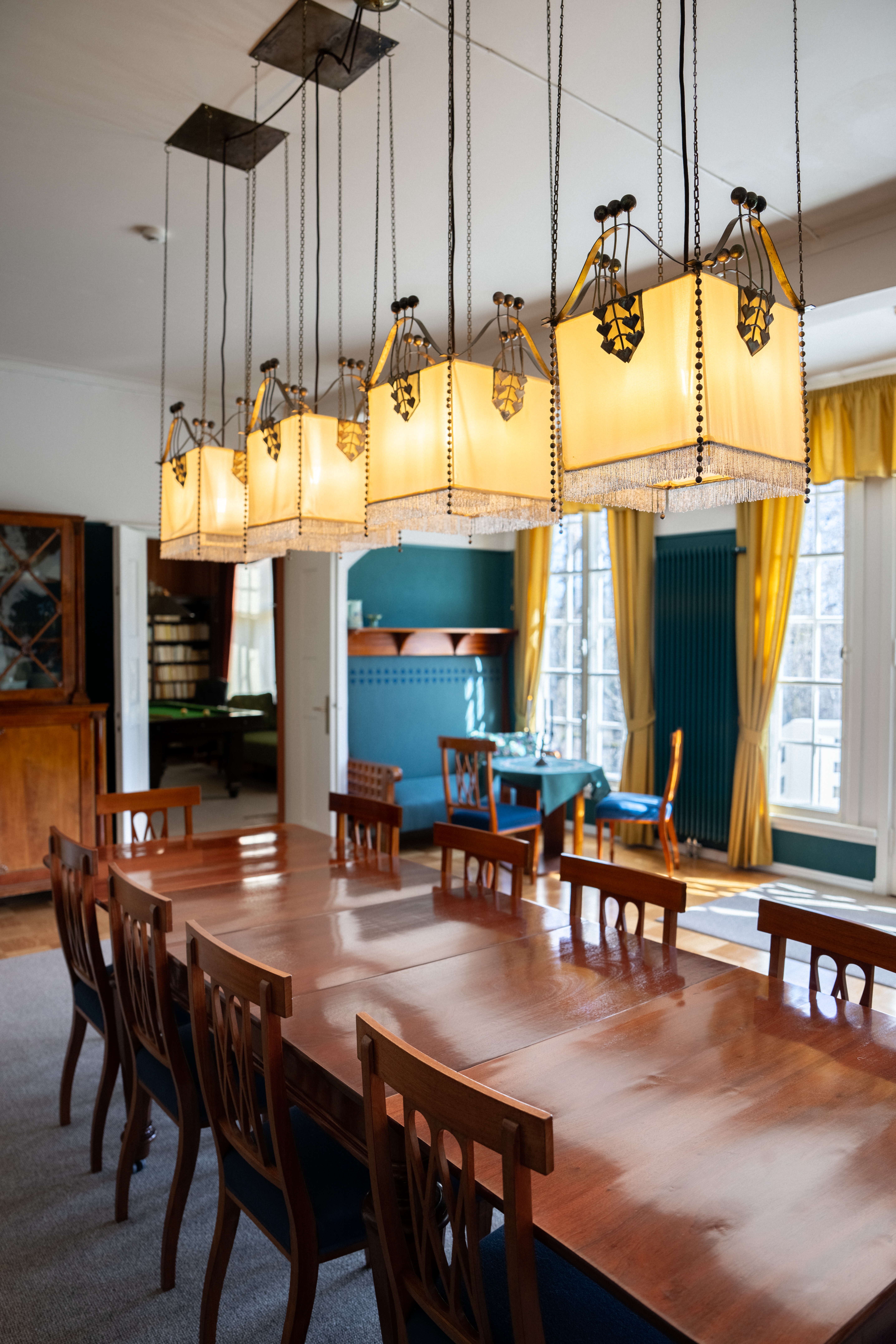
Visitors explore the museum through guide booklets or themed guided tours rather than traditional wall texts. The permanent exhibition is complemented by changing exhibitions, beginning with one on architect Armas Lindgren, while outdoor displays present the estate's agricultural history, workers, children's lives and historic garden. The museum's interpretation is based on extensive archival research, which will continue through future research projects, including studies of the Sanmark family's connections to Sweden and Germany.
As a municipally owned museum, Håkansböle is open year-round and aims to serve diverse audiences. Located in the multicultural district of Hakunila, it offers a wide range of free public events and is developing new services for schools, local communities, and other visitor groups. The public response has exceeded expectations: nearly 8,000 people visited during the first three weeks, and more than 10,000 visitors are expected within the first month.
Håkansböle demonstrates how long-term archival research, careful conservation and community-oriented museum practice can come together in a historic house museum. We look forward to developing new research collaborations and welcome colleagues interested in manor history, historic house museums and shared European heritage.
For further information visit the Håkansböle Manor Museums website:Hakansböle